
Early Identification of Rejection Biology Represents a Meaningful Advance in Transplant Medicine
Tutivia™ assesses the immune and broader, relevant biological status of kidney transplant patients to identify the risk of all forms of acute rejection including T cell (TCMR) and antibody-mediated rejection (ABMR).
The test delivers clinically actionable insights as early as the first week post-transplant.
An easy-to-interpret risk score gives transplant clinicians a proactive indicator of rejection risk, enabling more precise and timely immunosuppression management, more confident clinical decisions, and has the potential to reduce unnecessary biopsies and graft loss.
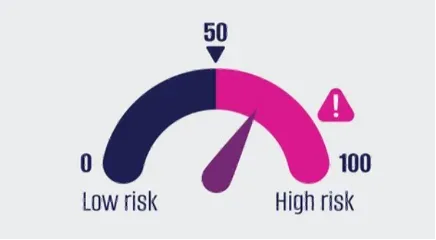
Tutivia measures the risk of acute rejection
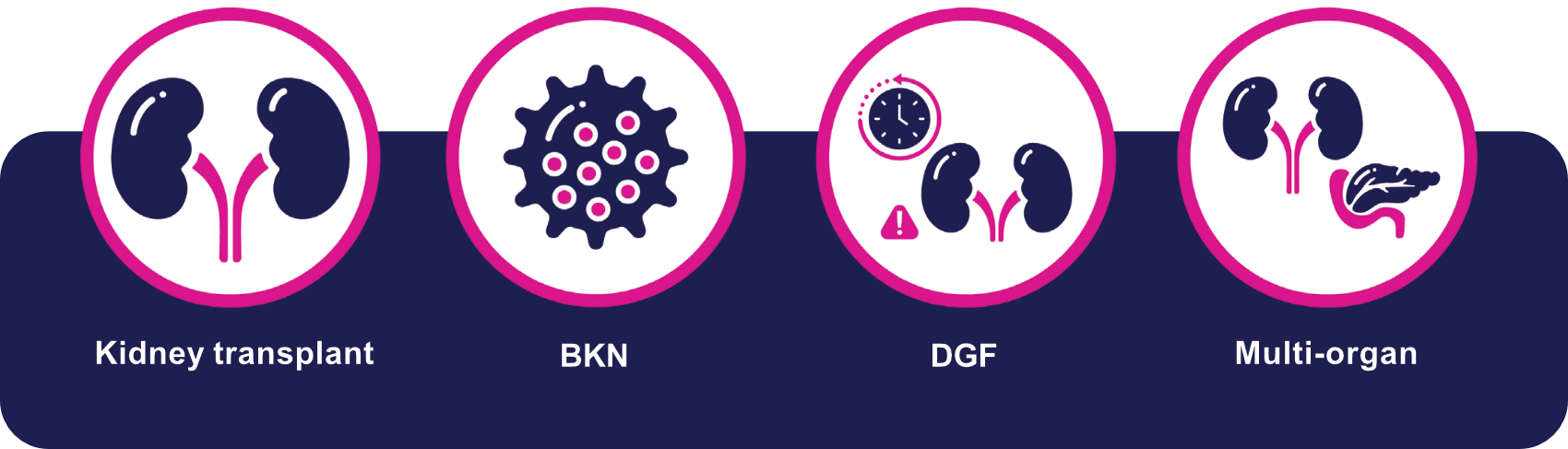
Tutivia can provide insights for:
Signals Rejection Prior to Clinical Injury
Proprietary AI algorithms analyze the expression patterns of seventeen rejection-related genes to detect biological signals of transplant rejection before clinical injury occurs.
Tutivia™ distinguishes true rejection from other causes of graft injury that can confound conventional blood tests, such as BK virus–associated nephropathy or ischemia–reperfusion injury (delayed graft function DGF).
Unlike single-parameter tools such as cell-free DNA and serum creatinine that are non-specific, lagging indicators of tissue injury, Tutivia™ reflects the biological complexity of transplant patients, enabling sensitive, selective, and proactive identification of rejection.
Validated on a Diverse Patient Population
Developed at The Mount Sinai Hospital in New York, one of the world’s leading transplant research centers, Tutivia™ was built on decades of clinical expertise and scientific rigor. Its performance was validated in a clinical study including a broad, diverse transplant patient population, giving clinicians confidence in its predictive accuracy across the full spectrum of real-world, complex kidney transplant cases.
Frequently Asked Questions
Verici Dx welcomes all insurance plans. The test is covered for use in Medicare patients once criteria are met.
Verici Dx is committed to the goal of helping all patients have successful outcomes after a kidney transplant.
To mitigate financial burdens, Verici Dx has developed a cost-sharing protocol. Call +1 (833) 243-4552 for more information.
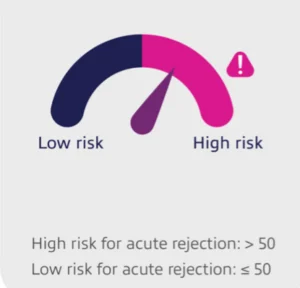
The Tutivia™ risk score has been designed to support actionable clinical decision-making through a clear, easy-to-interpret scoring scale.
The transplant team determines the right time to perform the test. The test will likely be done in clinic or can be drawn through our mobile phlebotomy service. It is then sent to the Verici Dx lab for blood sample analysis. The result from the sample will then be sent back to the transplant team.
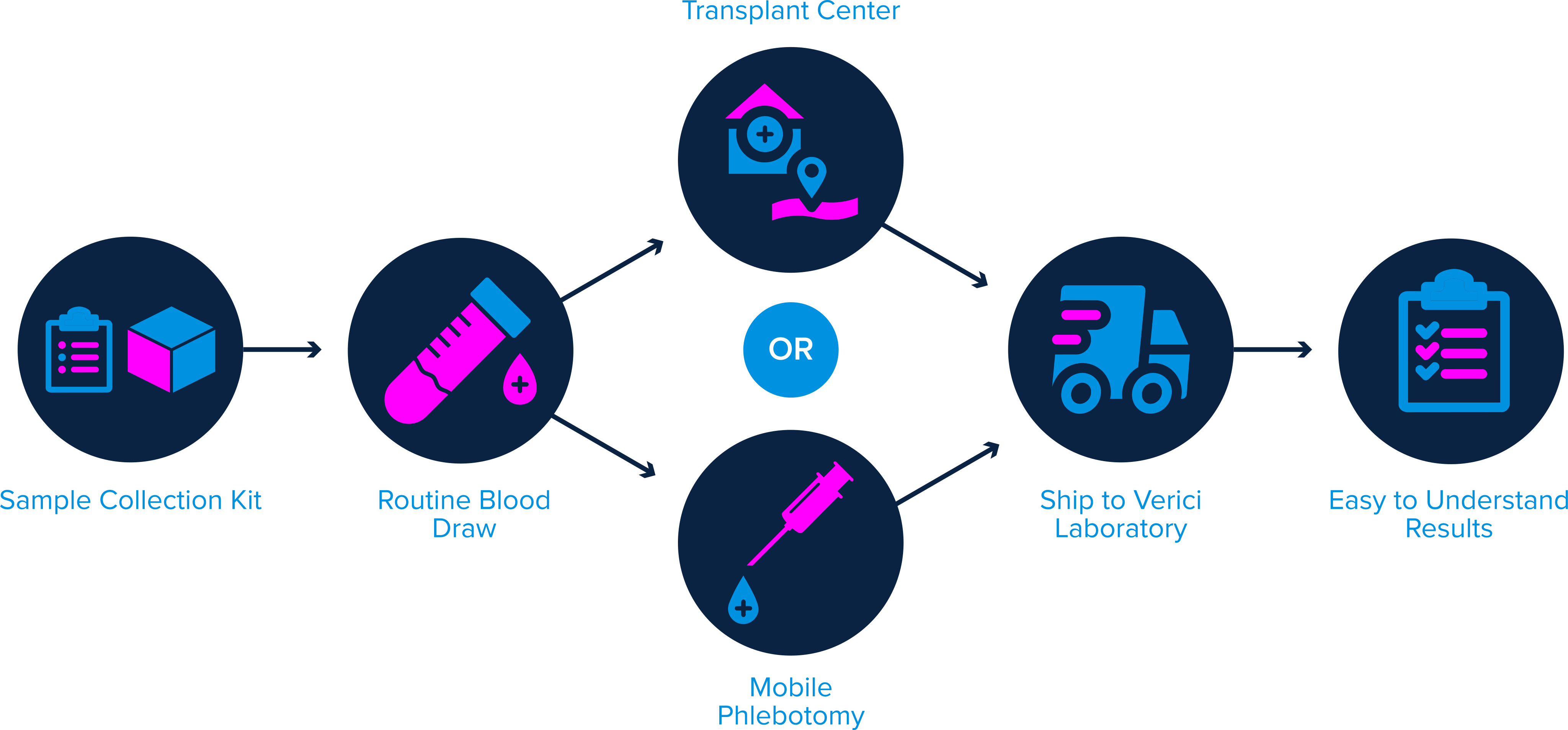
Tutivia™ can be used as early as the first week post-transplant. In the validation study, Tutivia™ was used both for-cause at any time and for routine surveillance at months 1, 3, 6, 12, and 24.
The Tutivia™ study included a very inclusive and diverse study group, designed to mirror the patient population most transplant centers serve. Contact us at +1 (833) 243-4552 to discuss with a dedicated specialist whether your patient is an appropriate candidate for Tutivia™.
The test does not measure anything that would be affected by food or medications. Currently there are no restrictions prior to having blood drawn to perform the test.
Start Taking a More Proactive Approach to Transplant Rejection Risk
Acute rejection can begin long before clinical signs of injury appear. Tutivia™ helps transplant teams identify at-risk patients earlier, enabling more informed treatment decisions and personalized post-transplant care. Connect with us to learn how Tutivia™ can support your transplant program and help improve outcomes for kidney transplant recipients.